
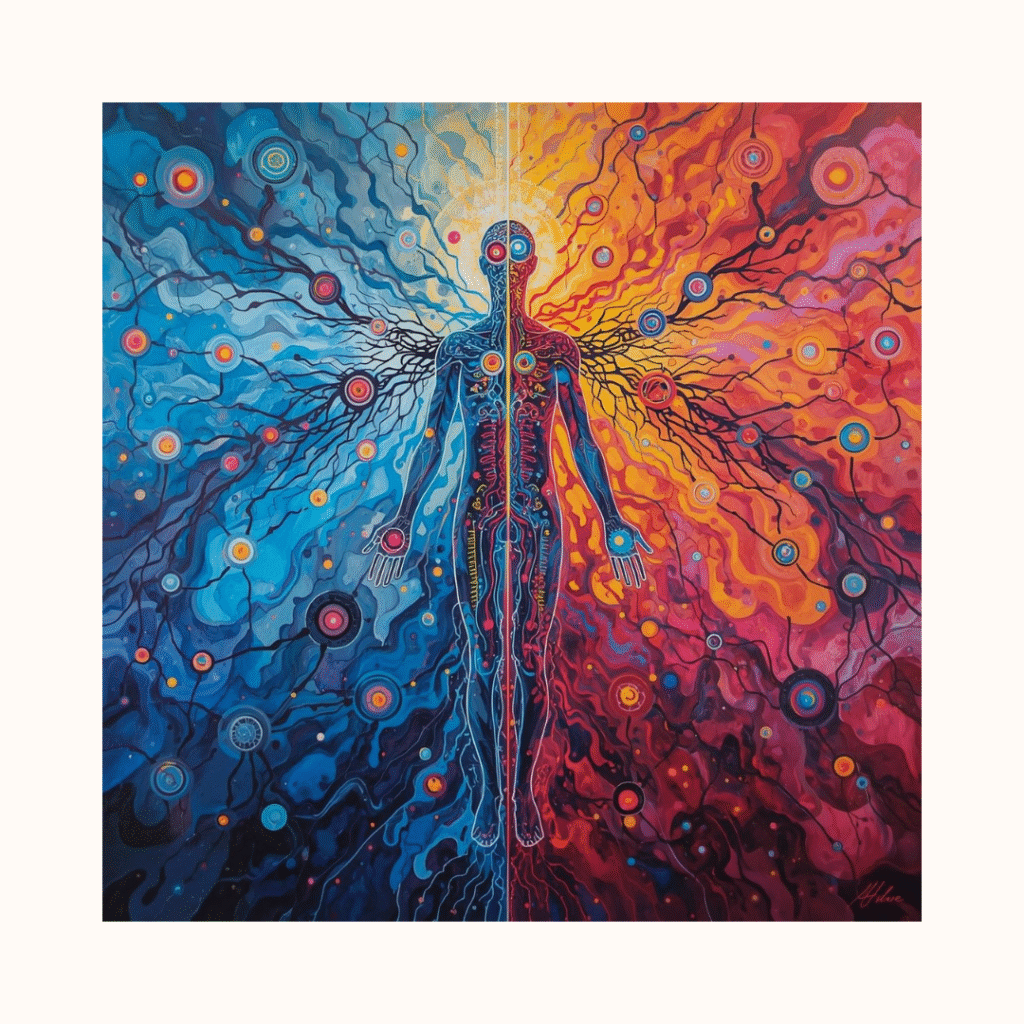
Human health is not divided into compartments. Our body and mind communicate continuously, influencing each other far more deeply than we often realize. This interconnectedness means that a disturbance in one dimension—physical or psychological—can create ripples in the other.
Understanding this relationship helps in early detection, better management, and holistic healing.
1. The Mind–Body Connection: A Two-Way Street
1.1 How Psychological Issues Affect Physical Health
Emotional and mental stress can directly impact the body’s functioning.
Common examples include:
- Chronic stress → headaches, high blood pressure, acidity, sleep disturbances
- Anxiety → rapid heartbeat, sweating, breathlessness, gastrointestinal issues
- Depression → fatigue, body pain, appetite changes, weakened immunity
- Trauma → chronic pain, hormonal imbalance, hypersensitivity to stimuli
When the mind is overwhelmed, the body shifts into a “fight-or-flight” mode. Prolonged activation of this state weakens systems like immunity, digestion, and sleep, leading to medical conditions over time.
1.2 How Physical Issues Trigger Psychological Distress
On the other hand, chronic physical conditions can deeply affect emotional well-being:
- Chronic pain → irritability, depression, helplessness
- Hormonal changes → mood swings, anxiety (e.g., thyroid disorders, PCOS)
- Lifestyle diseases (diabetes, hypertension) → fear, guilt, low motivation
- Long-term medication → side effects influencing mood and sleep
Living with a medical condition can create frustration, fear of future limitations, financial stress, and social withdrawal—paving the way for psychological challenges.
2. Why Understanding This Interlink Matters
- Helps identify root causes rather than treating symptoms in isolation
- Prevents misdiagnosis
- Encourages early intervention
- Promotes a holistic approach to healing
- Supports lifestyle changes that improve both physical and mental health
Healthcare systems worldwide are now advocating integrated care: physical health professionals working together with psychologists.
3. Common Conditions Where Mind–Body Interconnection Is Prominent
✦ Fibromyalgia
Chronic widespread pain significantly linked with emotional stress.
✦ Irritable Bowel Syndrome (IBS)
Anxiety, stress, and gut health are heavily intertwined.
✦ Hypertension & Heart Disease
Emotional strain and stress hormones contribute to heart risks.
✦ Obesity & Eating Disorders
Often linked with emotional eating, low self-esteem, trauma, or depression.
✦ Skin Conditions (eczema, psoriasis)
Stress triggers flare-ups and lowers skin healing ability.
4. Effective Management Methods: A Holistic Approach
Managing interconnected ailments requires a dual focus—mind and body.
4.1 Lifestyle & Behavioural Changes
✔ Regular physical activity
Improves mood, reduces anxiety, manages weight, and enhances sleep.
✔ Balanced nutrition
A well-nourished body supports a stable mind; gut health is directly linked with emotional health.
✔ Sleep hygiene
Quality sleep balances hormones, repairs tissues, and calms the nervous system.
4.2 Psychological Interventions
✔ Cognitive Behavioral Therapy (CBT)
Helpful for anxiety, depression, chronic illness coping, and pain perception.
✔ Mindfulness & Meditation
Reduces distress, enhances focus, calms the nervous system, and lowers inflammation.
✔ Stress Management Techniques
Breathing exercises, progressive muscle relaxation, journaling.
✔ Supportive Counselling
Helps patients process emotions related to chronic conditions.
4.3 Medical & Physiological Support
✔ Regular Health Check-ups
Prevention and early diagnosis reduce mental worry.
✔ Medication Compliance
Both mental and physical conditions require consistency to stabilize symptoms.
✔ Pain Management Therapies
Physiotherapy, yoga, acupuncture, and movement therapies.
✔ Hormonal Balancing Treatments
For thyroid disorders, PCOS, menopause, etc.
4.4 Social & Environmental Support
✔ Strong social network
Friends/family support boosts emotional resilience.
✔ Healthy workplace environment
Reduces burnout and physical strain.
✔ Open communication with healthcare providers
Encourages trust and reduces fear or confusion about symptoms.
5. When to Seek Professional Help
Consult a professional when:
- Symptoms last more than two weeks
- Daily functioning is affected
- Physical symptoms don’t match medical reports (psychosomatic indicators)
- Emotional distress becomes overwhelming
- You feel persistent fatigue, sleep issues, or unexplained pain
- Anxiety or depressive symptoms intensify
Early help leads to faster recovery and prevents long-term complications.
Conclusion
The link between physical and psychological ailments is strong, natural, and often overlooked. Healing begins when we understand that mind and body are partners—not separate entities.
A holistic approach combining lifestyle changes, emotional support, medical care, and mindful practices helps individuals regain balance and enhance their overall quality of life.
Leave a Reply