
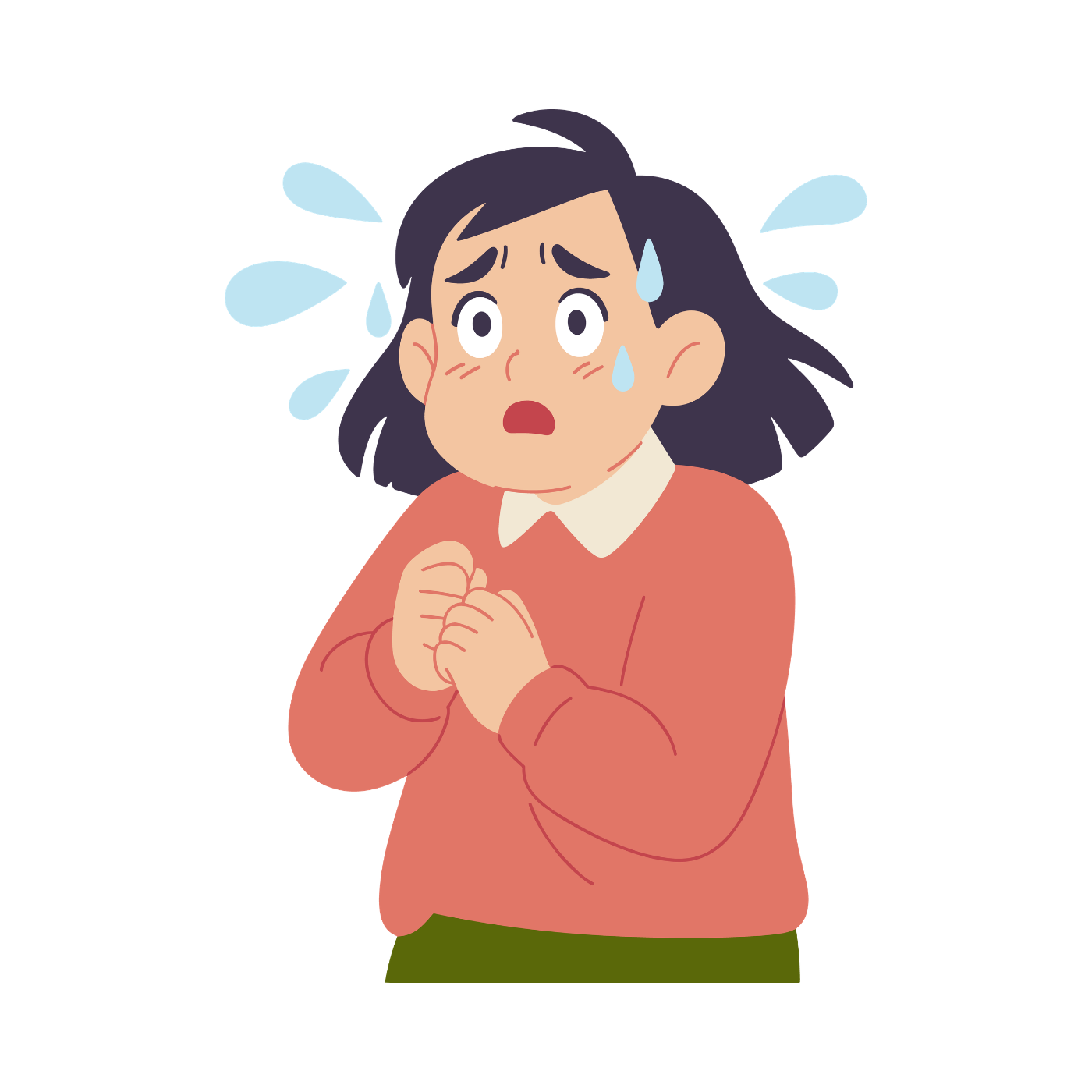
Anxiety is a natural human emotion—one that alerts us to danger, prepares us for challenges, and helps us stay vigilant. However, when anxiety becomes constant, overwhelming, or disproportionate to situations, it can begin to interfere with daily life, relationships, and overall well-being.
In today’s fast-paced world, anxiety is no longer limited to a specific age group or profession—it affects students, working professionals, parents, and even children.
What is Anxiety?
Anxiety is a feeling of worry, nervousness, or fear about something with an uncertain outcome. While occasional anxiety is normal, chronic anxiety may develop into conditions such as Generalized Anxiety Disorder, panic disorders, or social anxiety.
Sources of Anxiety
Anxiety can stem from various external and internal sources:
1. Environmental Factors
- Work pressure and deadlines
- Academic expectations
- Financial instability
- Relationship conflicts
- Social comparison (especially through digital platforms)
2. Psychological Factors
- Overthinking and negative thought patterns
- Low self-esteem
- Fear of failure or rejection
- Perfectionism
3. Biological Factors
- Genetic predisposition
- Hormonal imbalances
- Brain chemistry irregularities
4. Lifestyle Factors
- Lack of sleep
- Poor diet
- Excessive caffeine or screen time
- Lack of physical activity
Common Causes of Anxiety
While sources are external triggers, causes often lie deeper:
- Uncertainty about the future
- Past trauma or unresolved experiences
- High expectations from self or others
- Lack of emotional support systems
- Constant need for validation
Signs and Symptoms
Recognizing anxiety is the first step toward managing it:
- Persistent worry or fear
- Restlessness or feeling “on edge”
- Difficulty concentrating
- Rapid heartbeat or sweating
- Sleep disturbances
- Irritability
Impact of Anxiety
If left unaddressed, anxiety can affect:
- Mental health: leading to burnout or depression
- Physical health: headaches, fatigue, weakened immunity
- Relationships: communication gaps, emotional withdrawal
- Performance: reduced productivity and decision-making ability
Remedies and Management Strategies
The good news is—anxiety is manageable. With the right approach, individuals can regain control and balance.
1. Awareness and Acceptance
Acknowledge anxiety without judgment. Accepting that “it’s okay to not be okay” is powerful.
2. Healthy Lifestyle Changes
- Maintain a consistent sleep schedule
- Eat balanced meals
- Engage in regular physical activity like Yoga or walking
3. Mind Management Techniques
- Meditation and deep breathing exercises
- Journaling thoughts and emotions
- Practicing mindfulness
4. Limiting Triggers
- Reduce excessive social media consumption
- Set realistic goals and boundaries
- Avoid information overload
5. Seeking Support
- Talk to trusted friends or family
- Professional counselling or therapy
- Support groups and community engagement
6. Cognitive Restructuring
Challenge negative thoughts and replace them with realistic, balanced perspectives.
Role of Parents, Teachers, and Organizations
- Parents: Create a safe, non-judgmental environment
- Teachers: Recognize signs early and offer emotional support
- Organizations: Promote mental health awareness, work-life balance, and employee well-being initiatives
A Message to Society
Anxiety is not a weakness—it is a signal. A signal that something within or around us needs attention.
As a society, we must:
- Normalize conversations around mental health
- Avoid labeling or judging individuals
- Encourage seeking help without stigma
Conclusion
Anxiety may be a part of life, but it doesn’t have to control it. With awareness, support, and the right strategies, individuals can transform anxiety into strength and resilience.
Let’s build a world where mental health is prioritized just as much as physical health—because a calm mind leads to a stronger, healthier society.
Leave a Reply