
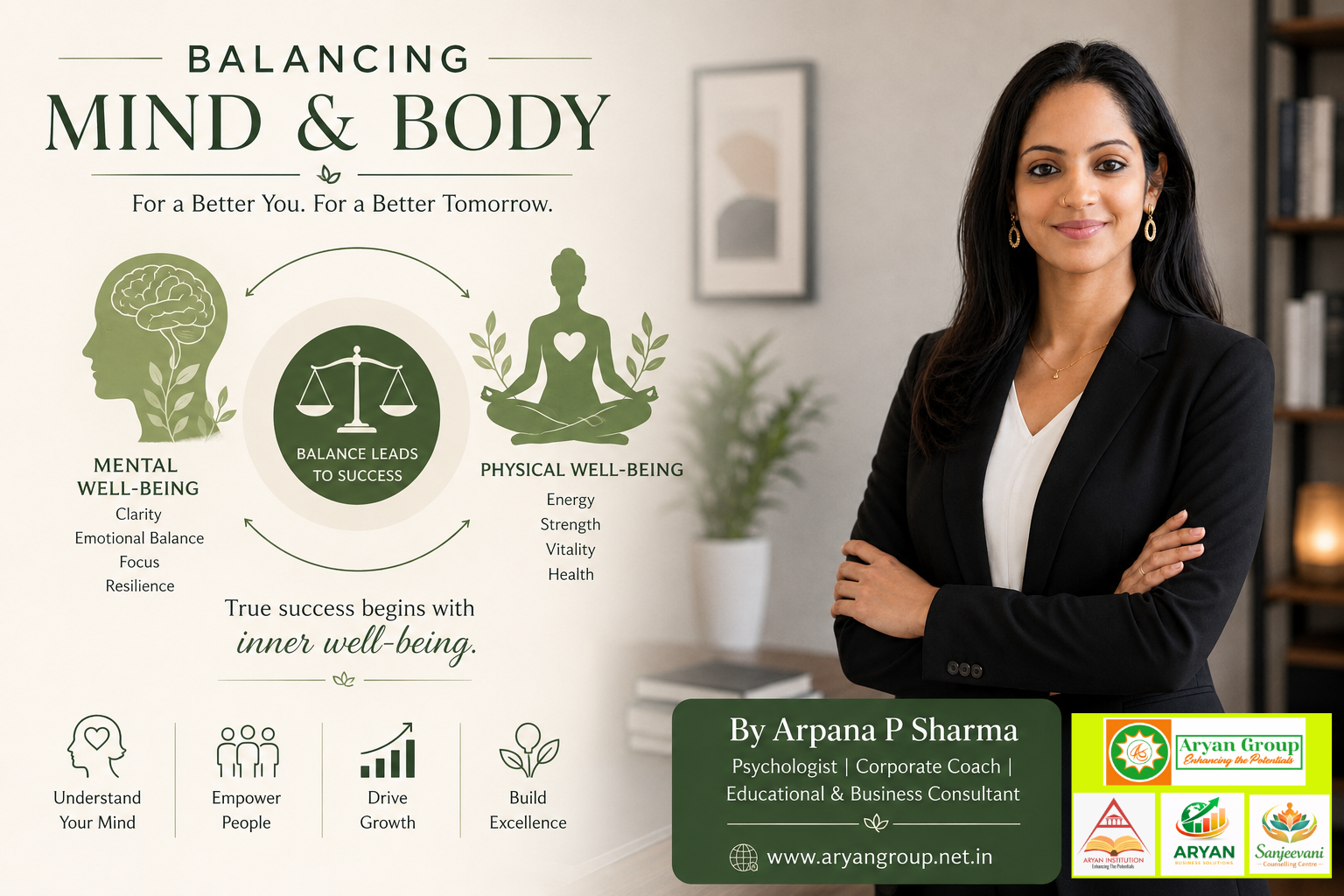
Health is often viewed through a physical lens—maintaining a healthy weight, exercising regularly, and managing medical conditions. However, true well-being extends beyond the body. Mental and physical health are deeply interconnected, influencing each other in ways that impact our overall quality of life.
Understanding the Mind-Body Connection
The human body and mind do not function independently. Our thoughts, emotions, and psychological state can directly affect our physical health, just as our physical condition can influence our mental well-being.
When an individual experiences prolonged stress, anxiety, or depression, the body responds by releasing stress hormones such as cortisol and adrenaline. While these hormones are beneficial in short-term situations, chronic exposure can lead to high blood pressure, weakened immunity, sleep disturbances, digestive issues, and an increased risk of cardiovascular diseases.
Similarly, physical health challenges such as chronic pain, diabetes, heart disease, or mobility limitations can significantly affect emotional well-being, often leading to frustration, anxiety, low self-esteem, or depression.
How Mental Health Affects Physical Health
Poor mental health can manifest physically in several ways:
- Reduced energy and chronic fatigue
- Sleep disorders and insomnia
- Frequent headaches and body aches
- Increased susceptibility to illness
- Poor eating habits and nutritional deficiencies
- Difficulty maintaining healthy lifestyle routines
Individuals struggling with mental health concerns may find it challenging to engage in regular exercise, maintain social relationships, or follow medical advice, which can further impact physical health outcomes.
How Physical Health Influences Mental Well-Being
On the other hand, maintaining good physical health can have a positive impact on mental wellness. Regular physical activity releases endorphins, often referred to as “feel-good hormones,” which help reduce stress and improve mood.
Healthy habits such as:
- Regular exercise
- Balanced nutrition
- Adequate sleep
- Proper hydration
- Preventive healthcare
can contribute significantly to emotional resilience, improved concentration, enhanced self-confidence, and better stress management.
Practical Tips for Maintaining Both Mental and Physical Health
Achieving a healthy mind and body does not require drastic changes. Small, consistent habits can create a significant positive impact over time.
1. Prioritize Quality Sleep
Sleep is essential for both physical recovery and mental restoration. Adults should aim for 7–8 hours of quality sleep each night to improve concentration, emotional regulation, immunity, and overall health.
2. Stay Physically Active
Regular physical activity helps reduce stress, anxiety, and depression while improving cardiovascular health and energy levels. Even a 30-minute walk, yoga session, or stretching routine can make a difference.
3. Practice Mindfulness and Relaxation
Take time each day to pause, breathe, and reconnect with yourself. Meditation, mindfulness exercises, deep breathing, or simply spending time in nature can help reduce stress and improve emotional well-being.
4. Maintain a Balanced Diet
What we eat affects not only our physical health but also our mood and cognitive function. A diet rich in fruits, vegetables, whole grains, proteins, and adequate hydration supports both brain and body health.
5. Build Meaningful Relationships
Human connection is a powerful protective factor for mental health. Spending quality time with family, friends, colleagues, and support groups can foster a sense of belonging and emotional resilience.
6. Set Healthy Boundaries
Learn to say “no” when necessary. Managing workload, limiting screen time, and creating boundaries between work and personal life can prevent burnout and improve overall well-being.
7. Engage in Activities You Enjoy
Hobbies and recreational activities help reduce stress and provide a sense of achievement and happiness. Reading, painting, gardening, music, sports, or volunteering can positively impact mental health.
8. Schedule Regular Health Check-Ups
Preventive healthcare is just as important as treatment. Regular medical check-ups, fitness assessments, and mental health consultations help identify concerns early and promote long-term wellness.
9. Seek Professional Support When Needed
Seeking help is a sign of strength, not weakness. Psychologists, counsellors, coaches, and healthcare professionals can provide valuable guidance when facing emotional, behavioral, or health-related challenges.
10. Practice Gratitude and Positive Thinking
Taking a few moments each day to acknowledge positive experiences can improve mood, increase optimism, and strengthen emotional resilience during difficult times.
Final Thought
Mental and physical health are not separate journeys—they are interconnected paths leading to overall well-being. By nurturing both, we become better equipped to handle life’s challenges, achieve our goals, and lead fulfilling lives. The key lies not in perfection but in consistent self-care and conscious choices that support both the mind and the body.
By Arpana P Sharma Psychologist | Corporate Coach | Educational Consultant | Motivational Speaker, Aryan Group
Leave a Reply